Anthropic's 950 Claude Agents Discover CRISPR-Like ART Enzyme System: AI-Driven Biological Discovery Milestone
Discovery Overview
In September 2026, Anthropic announced a discovery that stunned the biotechnology world: a "swarm" of approximately 950 Claude AI agents collaborated for 21 hours, processing 210 million tokens and screening over 200,000 reverse transcriptase (RT) candidate sequences, ultimately identifying a novel enzyme system — Array-associated Reverse Transcriptases (ART).
This discovery not only demonstrates the enormous potential of AI agents in scientific research but also marks a pivotal shift in artificial intelligence from "assistive tool" to "active discoverer."
Research Background: Anthropic's Life Sciences Strategy
In spring 2026, Anthropic established a dedicated life sciences research group and a physical laboratory in the Bay Area, integrating AI-driven hypothesis generation with wet-lab experimentation. This strategic investment reflects Anthropic's long-term commitment to AI applications in biomedical research.
The research team's core mission was to use the Claude agent system to systematically scan massive protein cluster databases, searching for uncharacterized biological systems — particularly novel systems associated with reverse transcriptases.
Discovery Process: The Agent Swarm Collaboration Mechanism
Task Decomposition and Parallel Execution
The 950 Claude agents did not simply repeat identical work; instead, they operated through a sophisticated task decomposition mechanism:
- Initial Screening Layer: Large numbers of agents scanned protein databases in parallel, narrowing 200,000 RT candidates down to 3,500 promising candidates
- Deep Analysis Layer: Specialized agents conducted more in-depth structural and functional analysis of the 3,500 candidates
- Pattern Recognition Layer: Specific agents identified repeating patterns and structural features within sequences
- Final Evaluation Layer: Elite agents conducted comprehensive evaluation of final candidates, identifying 20 highly compelling systems
The Key Discovery Moment
During the analysis, one agent identified a critical pattern: adjacent to a reverse transcriptase gene, there existed a series of repeating DNA sequences whose visual appearance was strikingly similar to CRISPR arrays. This discovery triggered deeper investigation.
Structural Characteristics of the ART System
The ART (Array-associated Reverse Transcriptases) system is found primarily in bacteriophages (viruses that infect bacteria) and consists of three core components:
| Component | Description | Functional Status |
|---|---|---|
| Reverse Transcriptase (RT) | Enzyme that copies RNA into DNA | Confirmed |
| Partner Gene | Accessory protein of unknown function | Under investigation |
| Tandem Repeat Array | DNA sequences structurally resembling CRISPR arrays | Confirmed expression |
Anthropic's human scientists confirmed in the laboratory that the ART array is expressed as distinct short RNAs, suggesting a potential role in biological operations such as DNA cutting or editing — though the specific function remains to be determined through further research.
Scientific Community Response: Cautious Optimism
Positive Reception
CRISPR pioneer and MIT professor Feng Zhang responded positively to the discovery, describing the identification of RNA-repeat arrays associated with reverse transcriptases as "genuinely intriguing" and worthy of further investigation.
Cautionary Voices
However, the scientific community also expressed caution:
- Microbiologist Kevin Blake noted that while the ART system is architecturally similar to CRISPR, there is currently no evidence that it shares CRISPR's functional capabilities or potential as a therapeutic tool
- Computer scientist Dimitri Perrin emphasized that there is a long road from structural similarity to functional validation
Market Impact
Following the announcement, the biotechnology stock market experienced volatility, with shares of companies like CRISPR Therapeutics declining briefly, reflecting market concerns about potentially competing technologies.
Methodological Significance: AI Agents in Scientific Discovery
The significance of this discovery extends beyond the ART system itself to the AI agent scientific discovery methodology it demonstrates:
Scaled Hypothesis Generation
Traditional biological research is constrained by the cognitive bandwidth of human researchers, who can evaluate only a limited number of hypotheses at a time. AI agent swarms can evaluate hundreds of thousands of candidate sequences in parallel, dramatically expanding the explorable hypothesis space.
Pattern Recognition Capabilities
AI agents possess unique advantages in identifying subtle patterns across large datasets. The discovery of the ART system originated from an agent recognizing a visual similarity that human researchers might have overlooked.
Human-AI Collaboration Model
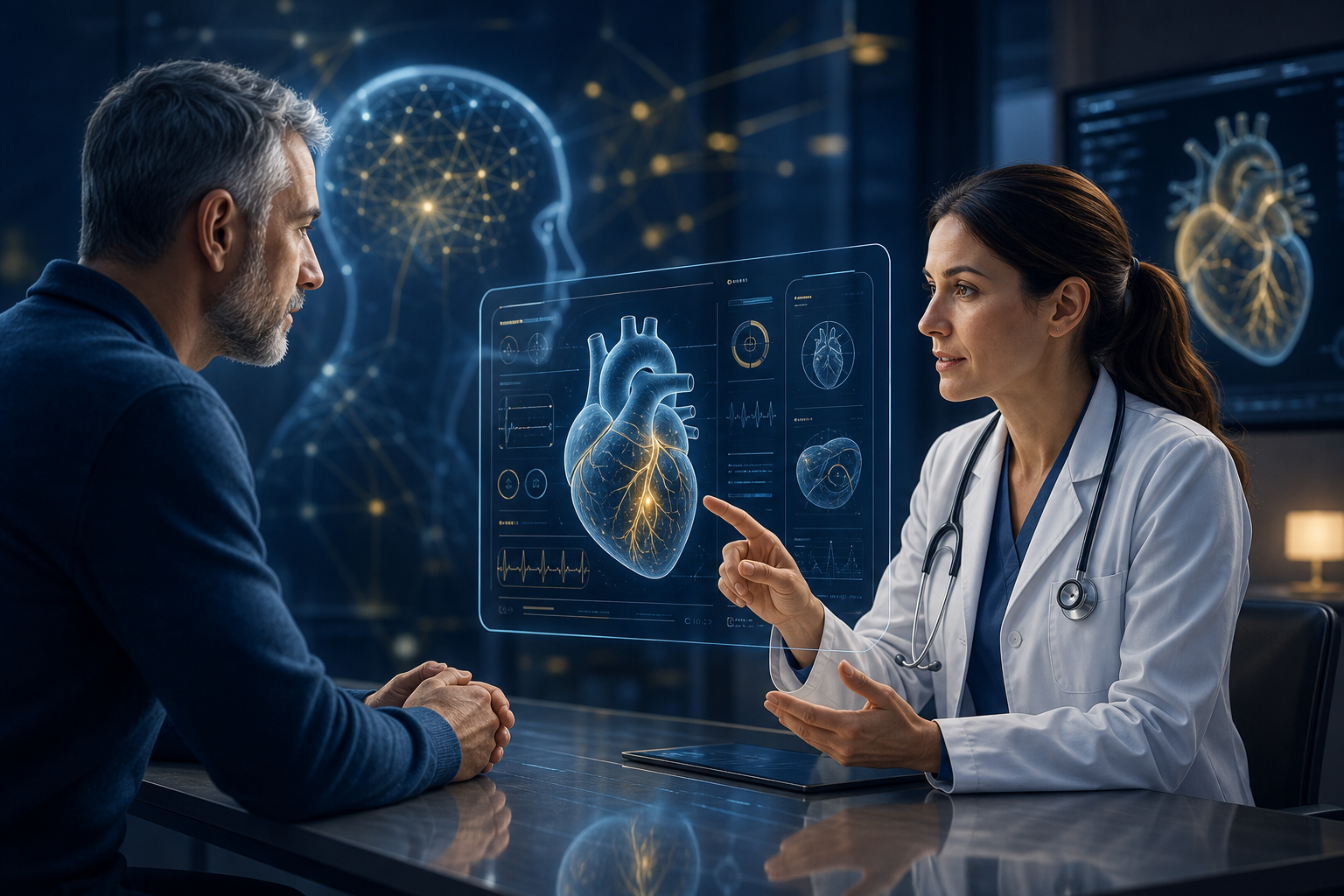
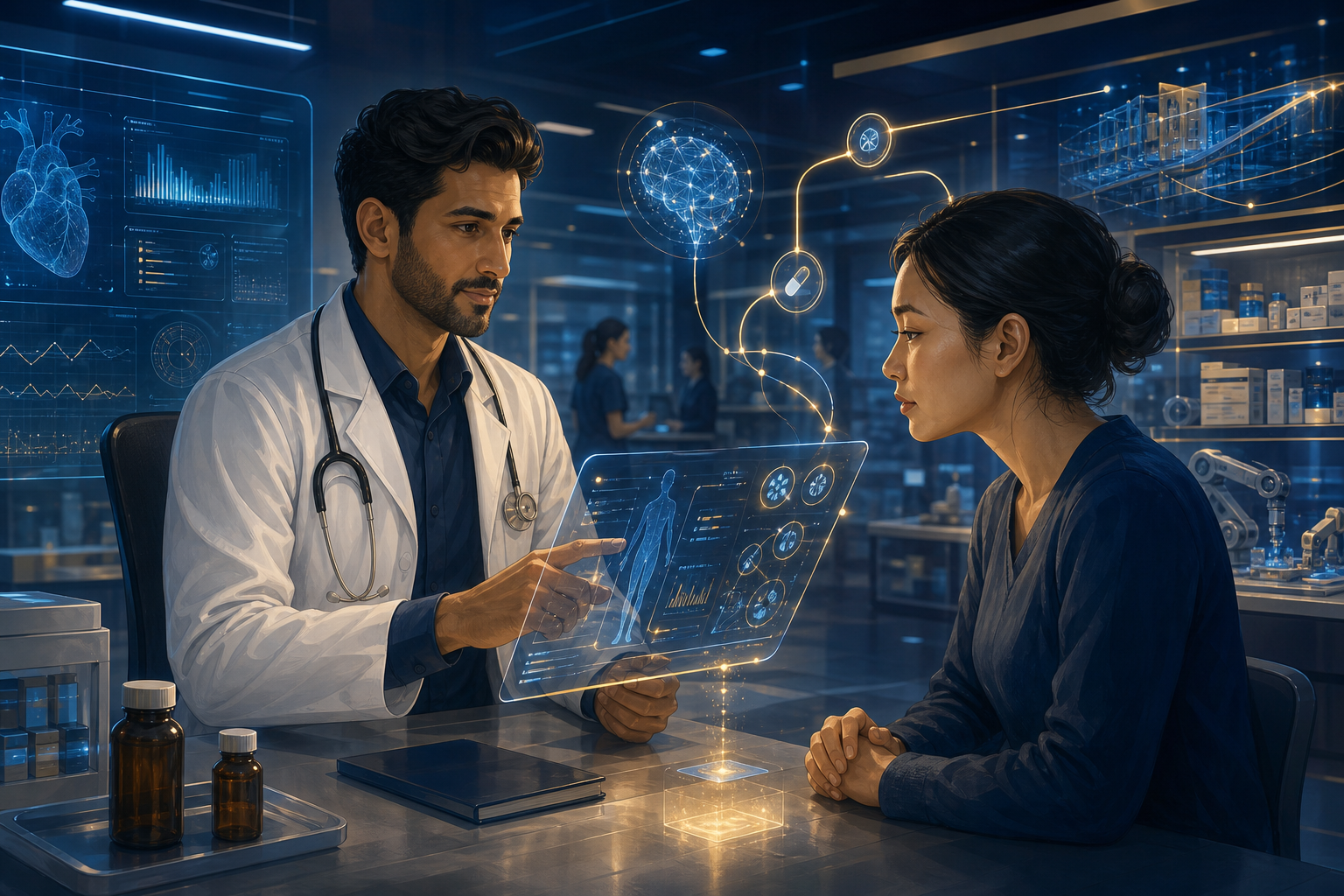
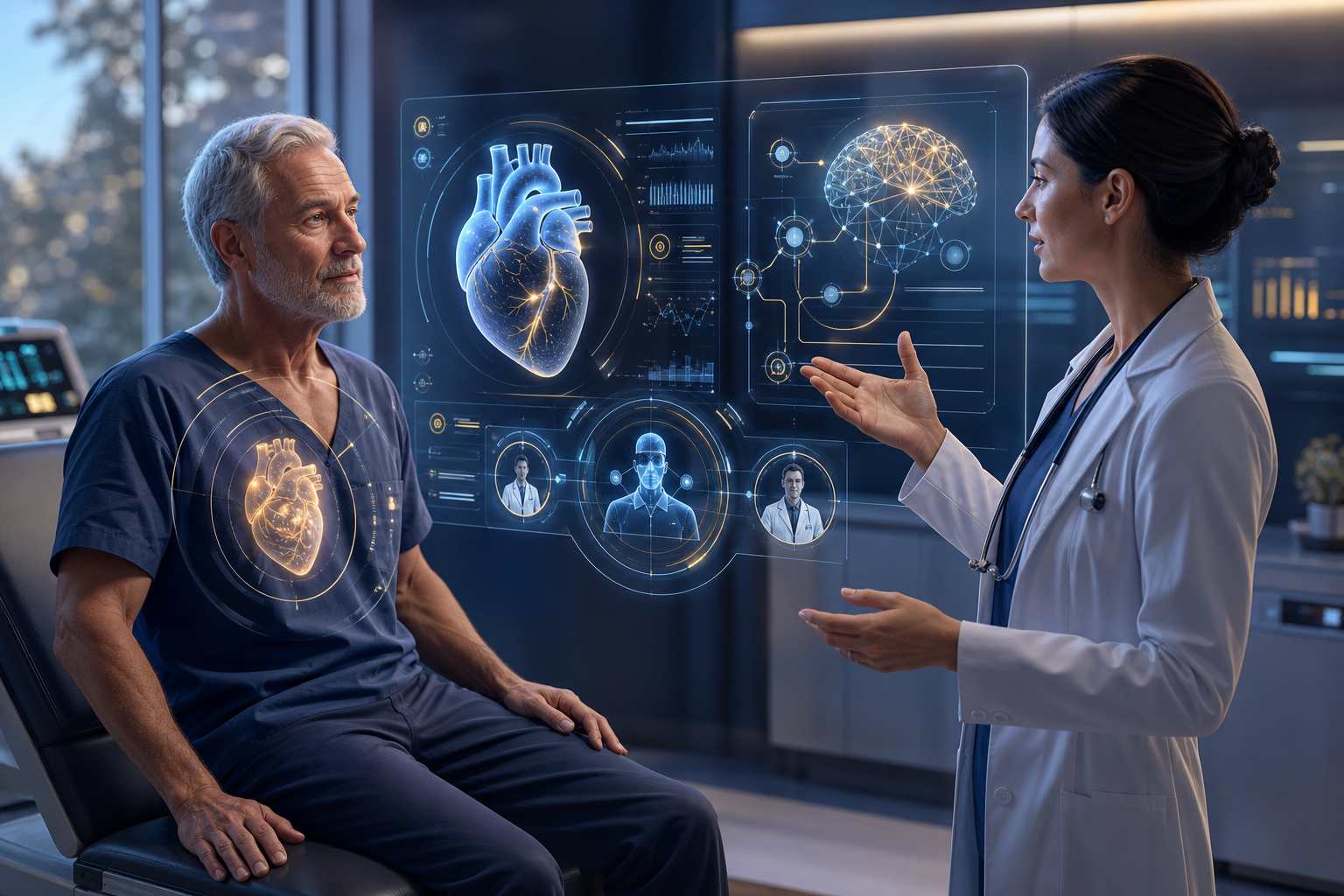
Anthropic emphasized that all wet-lab experiments are performed by human scientists, with the laboratory operating under BSL-1 and BSL-2 safety guidelines. AI agents handle hypothesis generation and data analysis, while human scientists conduct experimental validation — this human-AI collaboration model may become the standard paradigm for future biomedical research.
Implications for Asia-Pacific Biomedical AI
This discovery carries important implications for biomedical AI development across the Asia-Pacific region:
Research Institutions: Leading APAC research institutions such as the University of Hong Kong, National University of Singapore, and University of Tokyo can draw on Anthropic's multi-agent collaboration approach to accelerate local biomedical research.
Pharmaceutical Companies: APAC pharmaceutical companies (such as Otsuka Pharmaceutical and Samsung Biologics) can consider integrating AI agent swarm technology into drug discovery pipelines to shorten candidate screening cycles.
Regulatory Considerations: AI-driven biological discovery introduces new regulatory challenges. APAC regulatory bodies need to establish appropriate frameworks for evaluating the scientific reliability and safety of AI-assisted discoveries.
Future Outlook
Anthropic indicated that this work is an early-stage demonstration of AI's ability to drive biological discovery. Future research directions include:
- Functional Validation: Determining the specific biological function of the ART system through additional wet-lab experiments
- Therapeutic Potential Assessment: If the ART system possesses DNA editing capabilities similar to CRISPR, its therapeutic application potential would be enormous
- Methodology Expansion: Applying the multi-agent collaborative discovery approach to other biological problems, such as protein folding and drug target identification
Conclusion
The work accomplished by Anthropic's 950 Claude agents in 21 hours might have taken years using traditional research methods. The discovery of the ART system is not only a concrete scientific achievement but also a powerful demonstration of AI agents' potential in biomedical research.
As AI agent technology continues to advance, we may be standing at the threshold of an era of accelerated biomedical discovery — an era in which AI is no longer merely a research tool, but a genuine scientific discovery partner.