AstraZeneca and insitro Sign $1.5B AI Drug Discovery Collaboration
Overview: Pharma Giant Bets on AI 'Virtual Human'
On October 15, 2026, global pharmaceutical giant AstraZeneca and AI drug discovery company insitro announced a strategic collaboration to develop novel therapeutics for metabolic dysfunction-associated steatohepatitis (MASH) and cardiomyopathies.
Under the agreement terms, insitro will receive $40 million in upfront payments and is eligible for up to $1.46 billion in milestone payments, plus single-digit tiered royalties on global commercial sales. The total potential value of the collaboration reaches approximately $1.5 billion.
This collaboration marks the formal transition of AI-driven drug discovery from "proof of concept" to "large-scale commercialization," and represents insitro's addition of another heavyweight pharmaceutical partner following previous collaborations with Bristol Myers Squibb, Eli Lilly, and Gilead.
insitro's 'Virtual Human' Platform: The Core Engine of AI Drug Discovery
Technical Principles
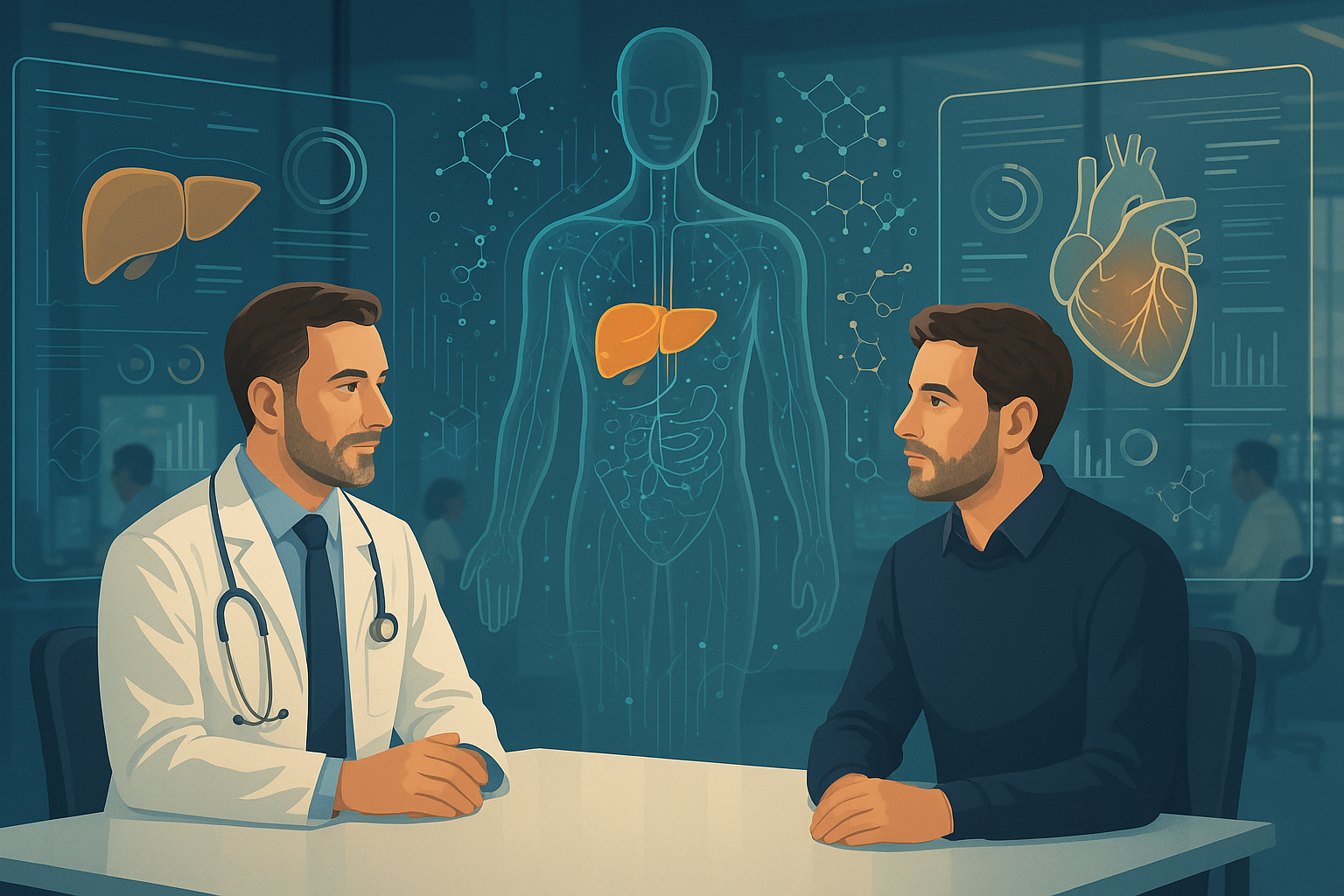
insitro's core competitive advantage lies in its proprietary Virtual Human™ AI platform. This platform integrates large-scale human and cellular datasets with advanced AI target identification capabilities, designed to "deconvolute" the complex biology of diseases.
One of the greatest challenges in traditional drug discovery is that many diseases (such as MASH and cardiomyopathies) hide highly heterogeneous patient populations under a single diagnostic label — the same diagnosis may correspond to completely different biological drivers. The Virtual Human platform, by integrating multi-omics data, can identify the causal drivers of these diseases, thereby improving the precision of therapeutic target selection.
Division of Responsibilities
| Responsibility | Party |
|---|---|
| Apply Virtual Human platform to identify causal disease biology | insitro |
| Advance AstraZeneca-nominated targets to development candidate stage | insitro |
| Clinical development, regulatory affairs, global commercialization | AstraZeneca |
| Exclusive worldwide development rights | AstraZeneca |
Target Diseases: The Massive Unmet Need in MASH and Cardiomyopathies
MASH (Metabolic Dysfunction-Associated Steatohepatitis)
MASH is a serious liver disease caused by metabolic dysfunction that can lead to cirrhosis and liver failure. Globally, an estimated 150+ million patients are affected, but currently approved treatment options are extremely limited. The high heterogeneity of MASH patient populations makes traditional drug development extremely challenging — precisely the scenario where AI-driven precision target identification excels.
Cardiomyopathies
Cardiomyopathies are a group of diseases affecting the heart muscle that can lead to heart failure and sudden death. Similar to MASH, cardiomyopathy patients under the same diagnosis may have completely different molecular mechanisms, making traditional "one-size-fits-all" treatment approaches limited in effectiveness.
Asia-Pacific Perspective: Regional Opportunities in AI Drug Discovery
Asia-Pacific is the fastest-growing region for AI drug discovery globally, with a projected compound annual growth rate (CAGR) of 26.54% from 2026 to 2031. This growth is driven by multiple factors:
Regional Leading Companies
- Insilico Medicine (Hong Kong/Shanghai): Its TNIK inhibitor Rentosertib has entered Phase III trials for idiopathic pulmonary fibrosis, with 13 INDs as of mid-2026
- XtalPi (Shenzhen/Hong Kong): Combining quantum-physics-grade prediction with robotic wet-lab execution, achieved profitability in 2025
- Nxera Pharma (Tokyo): Its AI-discovered muscarinic agonist for schizophrenia (licensed to Neurocrine Biosciences) is in Phase III development
- Standigm (South Korea): Focused on target discovery and lead optimization
Policy Support
China, India, and South Korea have implemented national policies (such as India's "BioE3" policy) and sovereign AI roadmaps, building supercomputing hubs and regulatory frameworks for AI-designed compounds.
Industry Trends: The Critical Transition from Experimentation to Commercialization
The AstraZeneca-insitro collaboration exemplifies the accelerating commercialization of AI pharmaceuticals in 2026. According to the latest MarketsandMarkets report, the global AI drug discovery market is projected to reach $17.56 billion by 2031, with a CAGR of 28.1%.
The industry is experiencing several key transitions:
- From hypotheses to clinical output: Regional platforms can now deliver clinical-stage candidates, peer-reviewed data, and significant commercial partnerships
- From fixed costs to variable spending: The rise of "turnkey" AI-as-a-service models allows small-to-mid-sized biotech companies to afford AI drug discovery
- From black box to explainability: Regulators like the FDA and EMA increasingly demand model transparency, driving the industry toward explainable AI
Financial Structure Analysis: The Strategic Significance of Milestone Payments
insitro's financial structure reflects the typical model for AI drug discovery collaborations:
- $40M upfront payment: Ensures insitro's short-term operational funding while reducing AstraZeneca's upfront risk
- $1.46B milestone payments: Tied to clinical progress, ensuring alignment of interests between both parties
- Tiered royalties: Continuous revenue sharing upon commercial success, incentivizing insitro's long-term participation
This structure has become the standard model in AI drug discovery, protecting pharmaceutical companies' investments while providing sufficient incentives for AI companies.
Conclusion
The $1.5 billion AstraZeneca-insitro collaboration is powerful evidence of the commercial maturity of AI drug discovery. The Virtual Human platform's unique capability in deconvoluting complex disease biology has the potential to accelerate breakthrough therapy development in MASH and cardiomyopathies. As the Asia-Pacific AI drug discovery ecosystem rapidly matures, this collaboration model will provide an important reference template for regional enterprises.