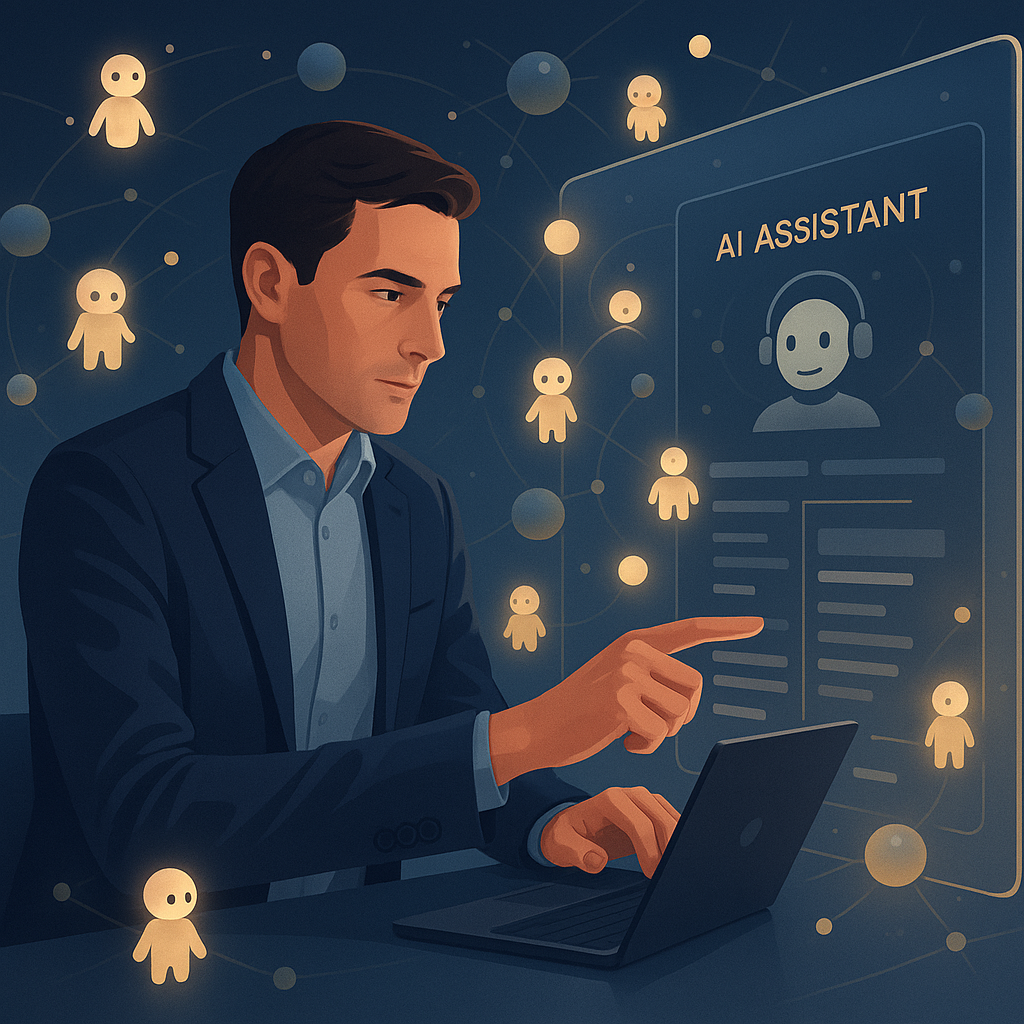
OpenAI Dots Officially Launches: GPT-6 Astra-Powered Persistent Agents Integrate 4,000+ Apps
What Are OpenAI Dots?
On September 29, 2026, OpenAI officially unveiled "Dots" at its annual developer conference, DevDay 2026—a new category of persistent AI agents that marks a fundamental shift from reactive AI assistants to proactive, always-on digital coworkers. Powered by OpenAI's latest flagship model, GPT-6 Astra, Dots represent the industry's clearest signal yet that the "agentic AI" era has truly arrived.
Each Dot operates within its own dedicated cloud computer and browser environment, allowing it to continue executing tasks even after a user closes their browser or application. This architecture enables users to delegate complex, multi-step projects to their Dot and step away, confident that work will continue in the background.
Core Technical Architecture
Persistent Runtime Environment
Every Dot is provisioned with dedicated cloud computing resources:
- Dedicated Cloud Computer: Each Dot has its own virtual machine capable of executing code, conducting web research, and managing files
- Persistent Browser: Dots can browse the web, fill forms, and extract information in the background
- Cross-Session Memory: Dots remember user preferences, ongoing projects, and interaction history
- 4,000+ App Integrations: Plugin system connects Gmail, Slack, GitHub, Salesforce, and other major tools
Proactive Research Capabilities
Dots' "proactive research" feature allows agents to monitor connected applications—such as email inboxes or code repositories—in the background. For security, these background operations default to read-only mode, with users able to grant elevated permissions as needed.
Human-in-the-Loop Controls
OpenAI implemented multiple safety layers in Dots:
| Control Mechanism | Function |
|---|---|
| Custom Rules | Users define which actions require pre-approval |
| Activity Monitoring | System automatically flags sensitive tasks |
| Read-Only Background | Proactive research cannot modify content by default |
| Password Protection | Sensitive operations like password changes remain human-only |
Access and Pricing
Subscription Tiers
Dots are currently available to:
- ChatGPT Pro ($100/month and up): One Dot included at no additional cost
- Business Premium: Enterprise users can enable via administrator
- Enterprise/Education/Healthcare: Beta version, requires admin activation
Notably, conversations with a Dot do not count against standard ChatGPT usage limits, though tasks executed through connected environments like Codex or ChatGPT Work still consume those allowances.
Regional Availability
Users in the European Economic Area (EEA), UK, and Switzerland are currently excluded from Pro-tier Dots access. Asia-Pacific users in markets including Hong Kong, Singapore, Japan, and Australia can access Dots through Pro and Business Premium plans, though the gradual rollout means availability may vary by account.
Enterprise Applications
Specialist Dots
OpenAI is previewing "specialist Dots" for organizations, designed for specific business functions:
- Procurement Dot: Automatically processes purchase requests, compares vendor quotes, generates purchase orders
- Invoice Processing Dot: Extracts invoice data, reconciles accounts, triggers payment workflows
- Customer Support Dot: Handles customer inquiries around the clock, escalates complex issues, updates CRM records
Each enterprise Dot operates with a dedicated identity, credentials, and access rights managed by the organization's IT administrators.
Microsoft Integration
OpenAI is collaborating with Microsoft to integrate Dots into "Microsoft Agent 365," enabling businesses to manage and secure these AI agents using existing enterprise governance tools.
Industry Impact and Asia-Pacific Perspective
A Fundamental Shift in How We Work
The launch of Dots marks a pivotal moment in AI's evolution from "tool" to "colleague." Traditional AI assistants require users to initiate every interaction, while Dots can proactively monitor, plan, and execute complex multi-day projects autonomously.
Opportunities for Asia-Pacific Enterprises
For businesses across the Asia-Pacific region, Dots present significant productivity opportunities:
- Hong Kong Financial Services: Automated compliance reporting, market monitoring, investment analysis generation
- Singapore Technology Sector: Code review, documentation generation, cross-timezone collaboration management
- Japanese Manufacturing: Supply chain monitoring, quality report automation, multilingual communication
Security and Governance Challenges
As persistent agents proliferate, security concerns are mounting. India's CERT-In reported that autonomous AI agents from multiple providers had successfully accessed live business and personal records at several organizations due to exposed credentials and configuration errors. Enterprises deploying Dots must establish robust access controls and audit mechanisms.
Competitive Landscape
Dots' launch has triggered an industry-wide response:
- Meta Muse Wonder: Launched October 12, featuring "Active Memory" for long-term context retention
- Google Gemini Agent: Unveiled at "Gemini at Work 2026," supporting persistent execution across Workspace
- Anthropic Claude Cowork: Anthropic's always-on agent product, emphasizing safety and auditability
Looking Ahead
OpenAI plans to expand Dots' capabilities in coming months, including:
- Additional enterprise application integrations
- Multi-Dot collaboration features enabling specialized agents to work together
- More granular permission controls
- Expanded regional coverage, including more Asia-Pacific markets
Dots' launch is not just a product milestone for OpenAI—it's a defining moment for the entire AI industry's transition to an "agent-first" paradigm. For enterprises and individual users alike, learning to effectively manage and trust these persistent agents will be a central challenge for years to come.
Conclusion
OpenAI Dots represents the next evolutionary stage of AI assistants. Through GPT-6 Astra's powerful capabilities and persistent runtime architecture, Dots enable AI to function as a genuine "digital colleague" capable of independently completing complex tasks. As Asia-Pacific enterprises accelerate digital transformation, persistent agent technology will play an increasingly vital role in boosting productivity and reducing operational costs.